Skip to:




Standing in the freezer aisle trying to decode ingredient lists and allergen statements can feel more overwhelming than it should. Between claims like gluten-free ice cream, dairy-free ice cream, lactose-free, and no sugar added, it’s not always clear what each label really means or which option is right for you or your family.
The happy news is that clearly labeled options are available. With the right information, navigating food sensitivities and dietary preferences can feel far more manageable. This guide breaks down common ice cream allergens, explains what key terms really mean, and offers practical tips to help you read labels with confidence.
Whether you’re avoiding dairy, gluten, or specific ingredients, understanding how ice cream and frozen desserts are made can help you choose options that feel informed and reassuring.
Common Ice Cream Allergens to Know
Ice cream may seem simple at first glance, but many varieties contain ingredients that rank among the most common food allergens. When you understand where these ingredients typically appear, you can move through the freezer aisle with greater clarity and confidence. Milk and dairy are among the most common allergens. Traditional ice cream is usually made with milk and cream, which means it isn’t suitable for anyone avoiding dairy - unless the package is specifically labeled otherwise.
- Gluten can show up in less obvious ways. While many plain ice cream bases do not include wheat, you may find gluten in cookie pieces, brownie mix-ins, cones, or flavor swirls.
- Egg yolks are used in some custard-style ice creams to create a richer texture and smoother consistency.
- Soy may appear in certain flavorings, mix-ins, or plant-based alternatives.
- Nuts and peanuts may appear as ingredients, and some products are made in shared facilities that also process tree nuts or peanuts.
It’s also important to understand cross-contact. Even when a product does not intentionally include an allergen, shared manufacturing environments can still introduce trace amounts. For this reason, advisory statements on packaging should be taken seriously.

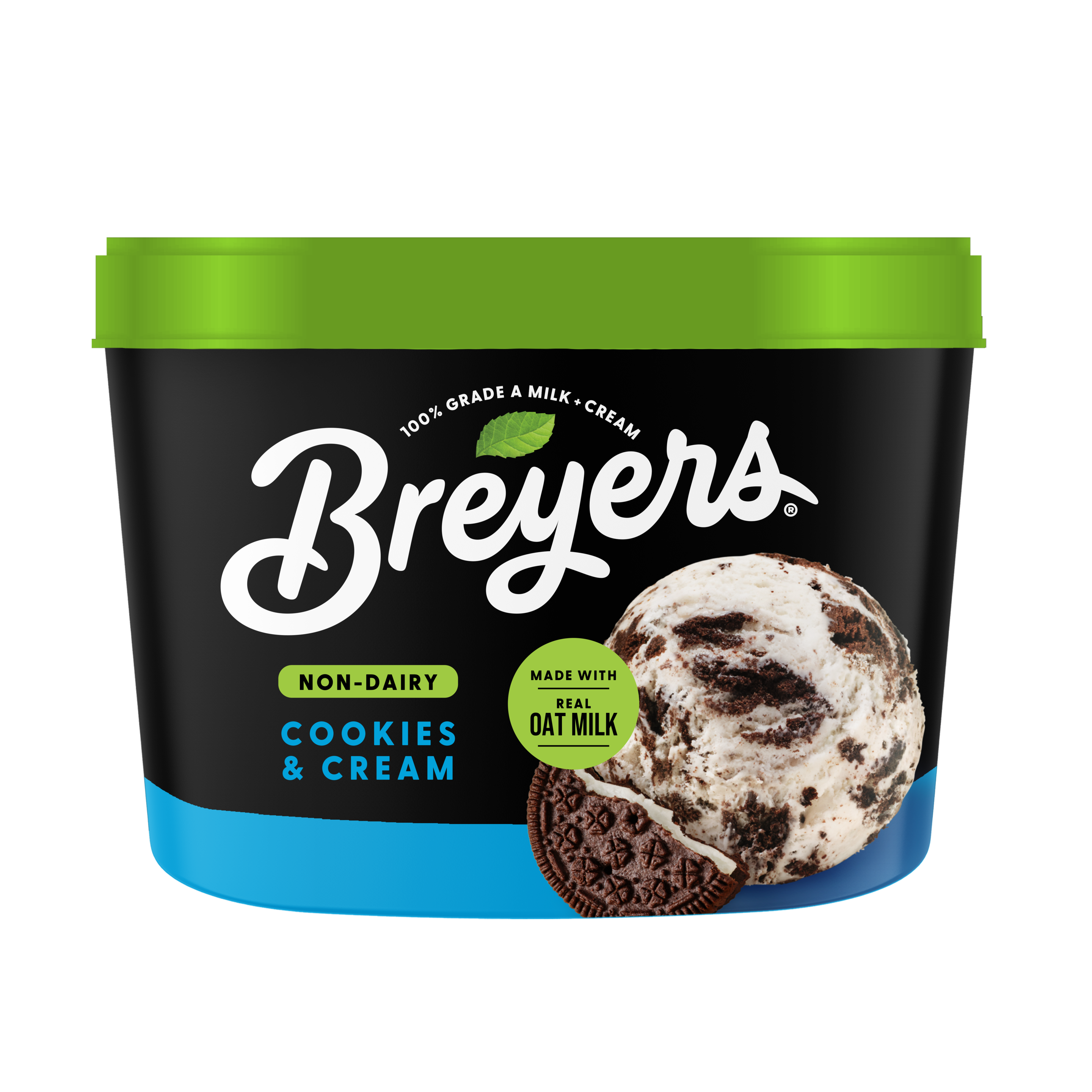
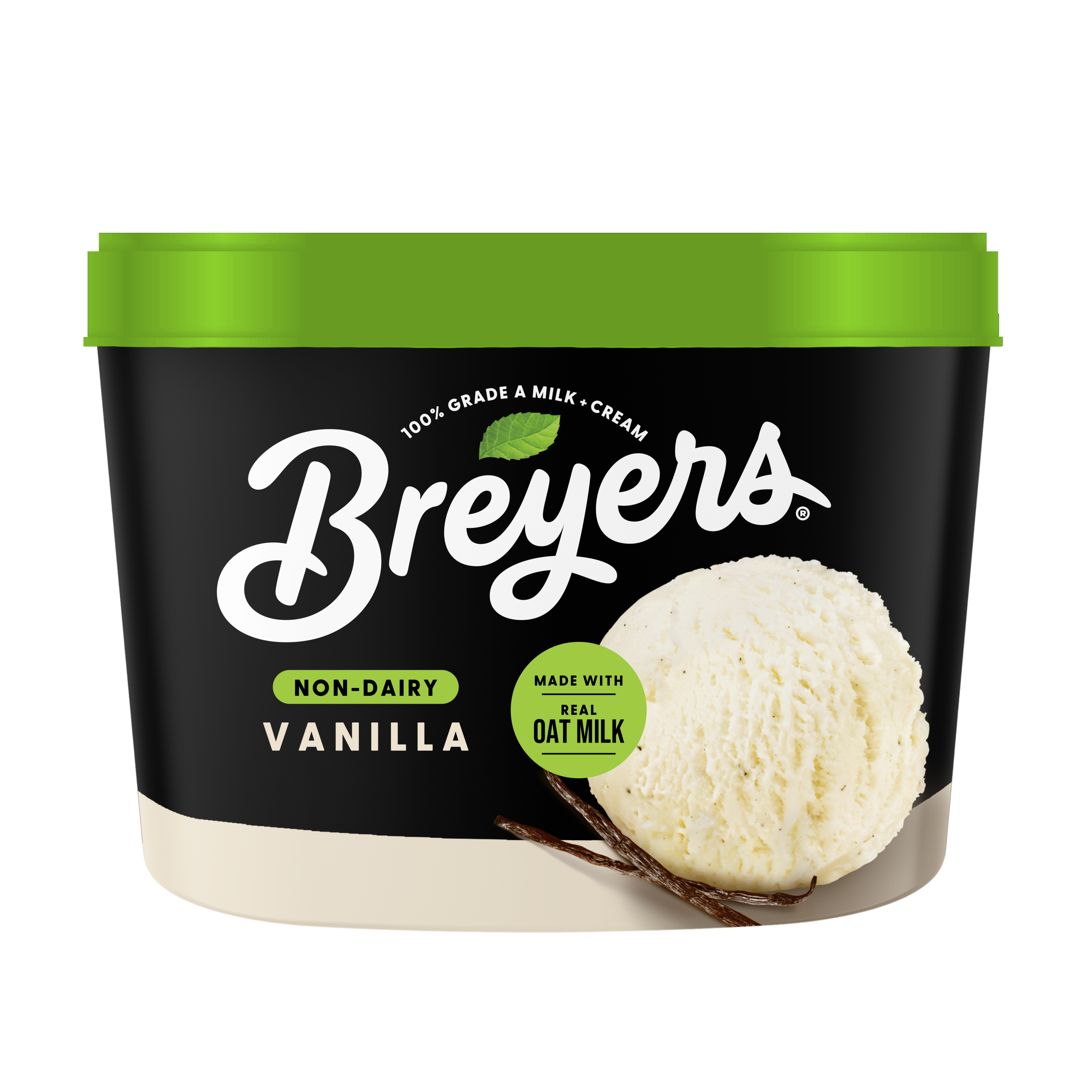
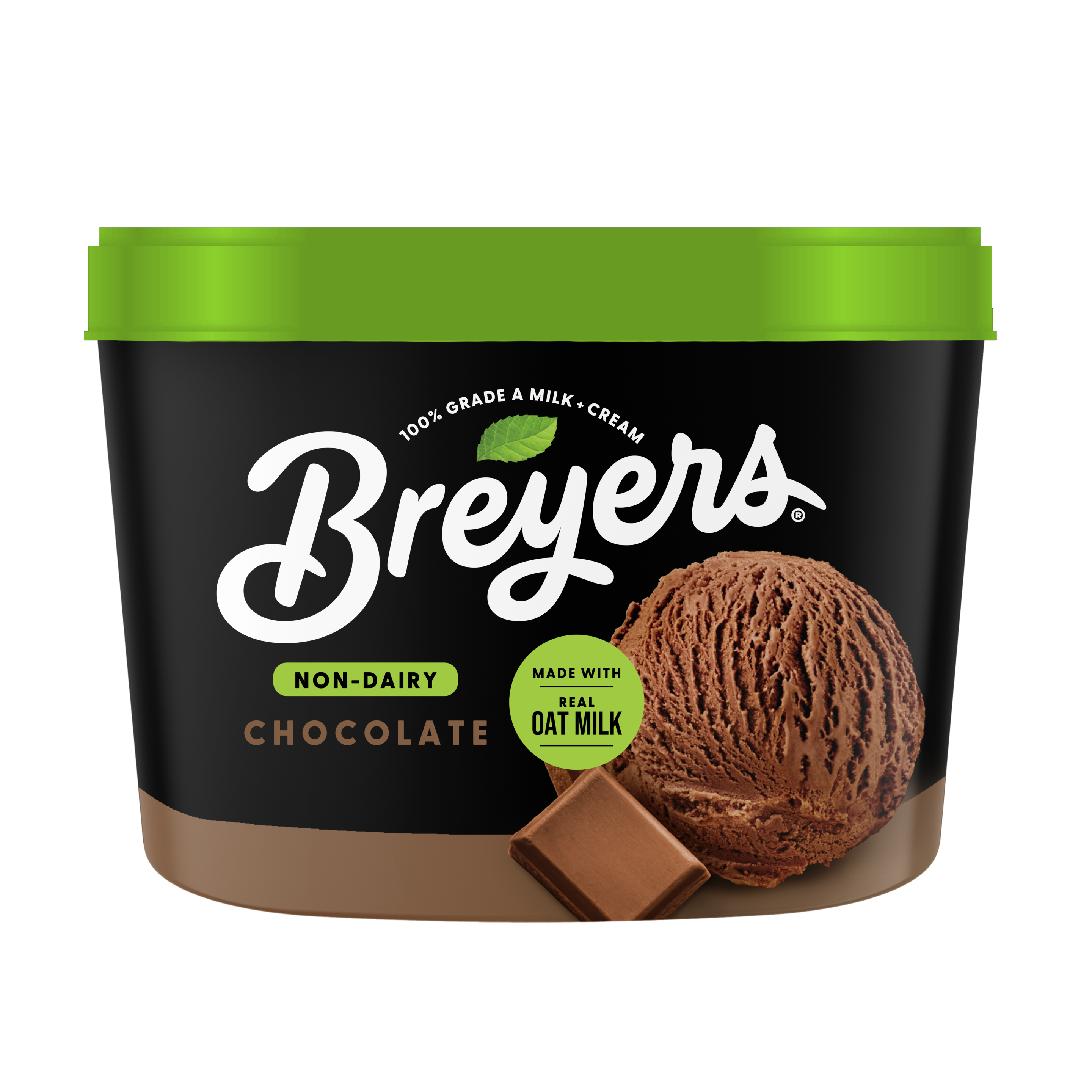
“Non-dairy” can also create confusion. In frozen desserts, it generally means the product does not include traditional dairy ingredients, but it may still contain other allergens such as soy or wheat. Reading labels carefully helps clarify exactly what a product does and does not include.
The good news is that Breyers® lists all major allergens and ingredient information on its packaging to help you make informed decisions.

Those looking for gluten-and dairy-free ice cream should check two places: the ingredient list for obvious sources like milk or wheat and any advisory statements such as “may contain” or "made in a facility that also processes.” These notes indicate the potential for cross-contact during manufacturing.
It’s also helpful to scan the full ingredient list rather than just relying on front-of-pack claims. Flavor swirls, mix-ins, and coatings can introduce allergens even when the base seems simple.
Finally, remember that recipes and formulations can change over time. A quick label check before you pop it into your cart will help you stay informed.
Allergy-Friendly Options from Breyers
Clear labeling and thoughtful formulation can make a real difference when you’re managing food sensitivities. Breyers® offers a range of options designed to help you understand what you’re choosing, without overcomplicating the experience.
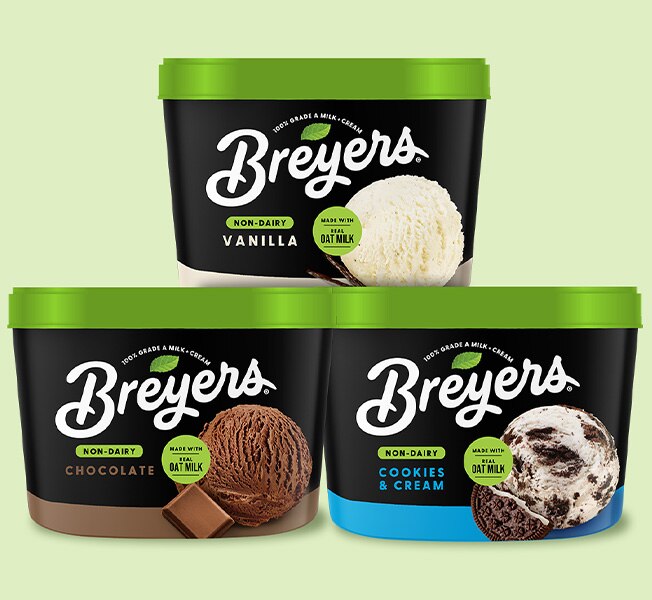
Gluten-free varieties
If you’re looking into gluten-free ice cream brands, Breyers® labels a wide range of flavors that don’t contain gluten ingredients.
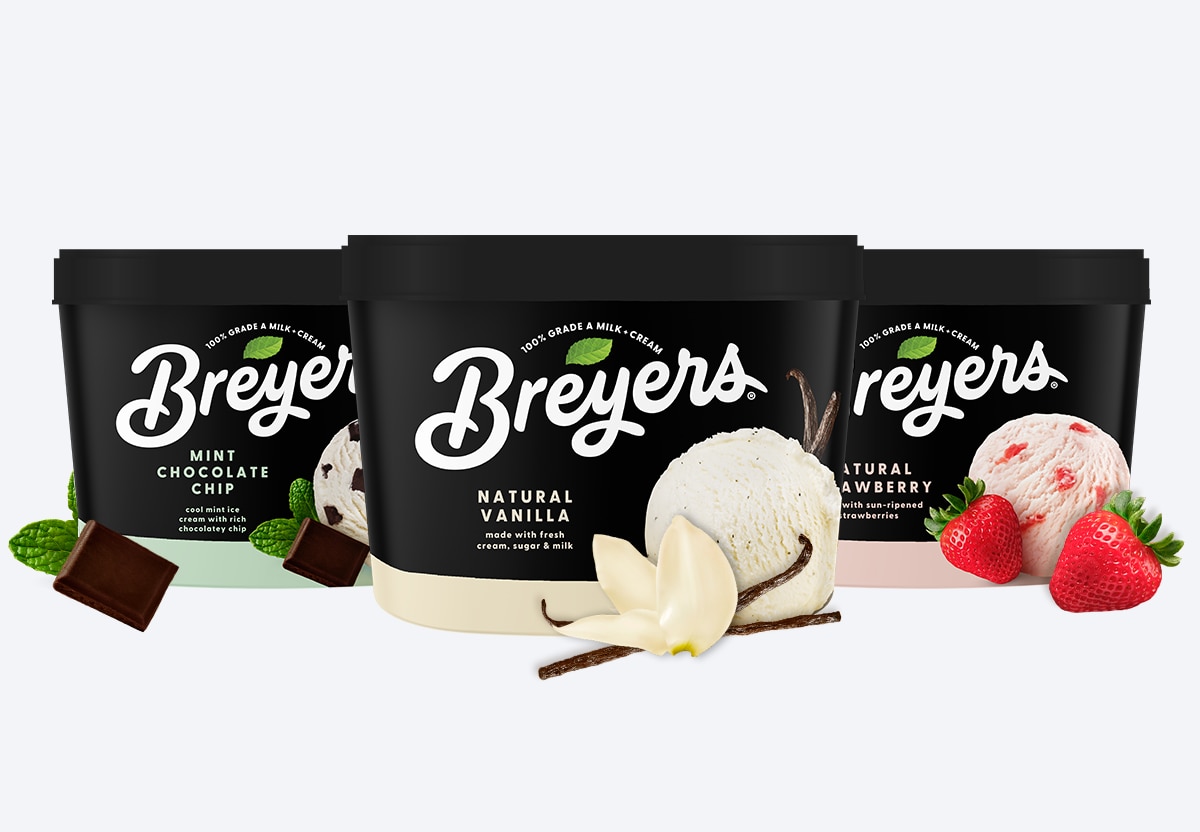
This includes favorites like Homemade Vanilla, Natural Vanilla, Mint Chocolate Chip, and Natural Strawberry, along with options like Chocolate, Coffee, Butter Pecan, and CarbSmart™ Vanilla.
Another common question is whether Breyers® vanilla ice cream is gluten-free. The answer depends on the specific product. Some vanilla flavors are labeled gluten-free, while others may vary based on formulation. Checking the packaging helps you review the most accurate information.
“As more people look for dairy-free and allergen-aware options, our team works to develop products that align with those preferences while maintaining the taste and texture people have come to know and love from Breyers®,” says the Breyers R&D team.
Choosing the Right Treat for Your Needs
With so many options available, finding the right dairy-free ice cream really comes down to your individual needs. Some people are avoiding dairy entirely. Others may be managing gluten, lactose sensitivity, or multiple allergens at once. The key is knowing exactly what you’re looking for and taking a moment to check the label before making your choice.
Remember that no single product works for everyone. Ingredient lists, allergen statements, and advisory notes are there to help you make decisions that feel right for you or your family.
When in doubt, review the packaging carefully before making your selection. With clear labeling and a bit of confidence, picking a frozen treat can feel simple again.
Your Label-Reading Cheat Sheet (The Essentials at a Glance)
- Ice cream can contain common allergens like dairy, gluten, soy, eggs, and nuts.
- Dairy-free, gluten-free, lactose-free, and non-dairy each have distinct definitions.
- Dairy-free does not automatically mean gluten-free.
- Allergen statements and advisory notes help clarify the potential for cross-contact.
- Recipes can change, so it’s worth checking the label each time you buy.
- Look for brands with clear labeling and transparent ingredient information.
Explore Breyers® Dairy-Free & Allergy-Conscious Options
Discover Breyers® dairy-free and allergy-conscious frozen dessert options, with clear labeling to help you review ingredient information with confidence.
FAQs
Is dairy-free ice cream safe for lactose intolerance?
Dairy-free ice cream does not contain milk-based ingredients, so it may be an option for people managing lactose intolerance. However, lactose intolerance varies by individual, and ingredient lists should always be reviewed carefully. Some products may contain other allergens such as soy or wheat, which are unrelated to lactose.
Is gluten commonly found in ice cream?
Gluten is not typically found in plain ice cream bases made from milk, cream, and sugar. However, it can appear in mix-ins like cookie pieces, brownie chunks, cones, or certain flavor swirls. Reviewing the ingredient lists and allergen statements helps determine whether a specific product contains gluten.
Are frozen dairy desserts different from ice cream?
Frozen dairy desserts differ from traditional ice cream based on ingredient composition and milkfat content. Ice cream must meet specific standards of identity, including minimum milkfat requirements. Both are clearly labeled on packaging.
Can people with nut allergies eat ice cream safely?
Some ice creams contain nuts as ingredients, while others are made in facilities that process nuts. Advisory statements such as “may contain” or “made in a facility with” indicate the potential for cross-contact. Individuals with nut allergies should review both the ingredient list and allergen warnings carefully before consuming.
What is the difference between lactose free and dairy free?
Lactose-free ice cream uses real milk and cream but removes or breaks down the lactose. Dairy-free ice cream does not contain milk or cream at all and is typically made with plant-based alternatives such as oat milk or almond milk.
Is dairy free ice cream vegan?
Dairy-free ice cream can be vegan if it contains no animal-derived ingredients. Some dairy-free products may still include ingredients like honey or may be produced in facilities that handle animal products. Reviewing the full ingredient list helps confirm whether a specific product meets vegan standards.
What is dairy free ice cream?
Dairy-free ice cream is a frozen dessert made without milk, cream, or other dairy ingredients. It is typically produced using plant-based alternatives such as oat, almond, coconut, or soy milk to create a creamy texture without traditional dairy components.
Quality Taste from Quality Ingredients
Don’t take our word for it—try it yourself. From classic flavors to specialty treats, we have something sweet for everyone.