Skip to:



Ice cream is one of those treats you expect to be smooth, creamy, and full of flavor every time you scoop it. But without the right storage, that texture can change quickly. Temperature shifts, air exposure, and even where you place the tub in your freezer all play a role in how well it holds up.
Learning how to store ice cream properly doesn’t require much effort. A few simple habits can help keep every scoop tasting the way it should. And when you’ve got a tub of Breyers in the freezer, made with ingredients you can feel good about, it’s worth taking those extra steps to keep it fresh and enjoyable for as long as possible.
Why Proper Ice Cream Storage Matters
Ice cream might seem simple, but it is sensitive to its environment. When it is not stored correctly, its texture and flavor can change faster than you might expect.
One of the most common issues is ice crystal formation. This happens when ice cream melts slightly and then refreezes, creating a rough, icy texture instead of a smooth one. Freezer burn can also occur when air comes into contact with the surface, leading to dry patches and a dull taste.
Over time, these changes can affect both the texture and flavor, turning what should be creamy and rich into something grainy and less enjoyable. Proper storage helps maintain the consistency ice cream is known for, keeping it smooth from the first scoop to the last.
To learn more about what gives ice cream its signature texture, discover what makes Breyers ice cream so creamy in the first place.
Best Place in the Freezer to Store Ice Cream
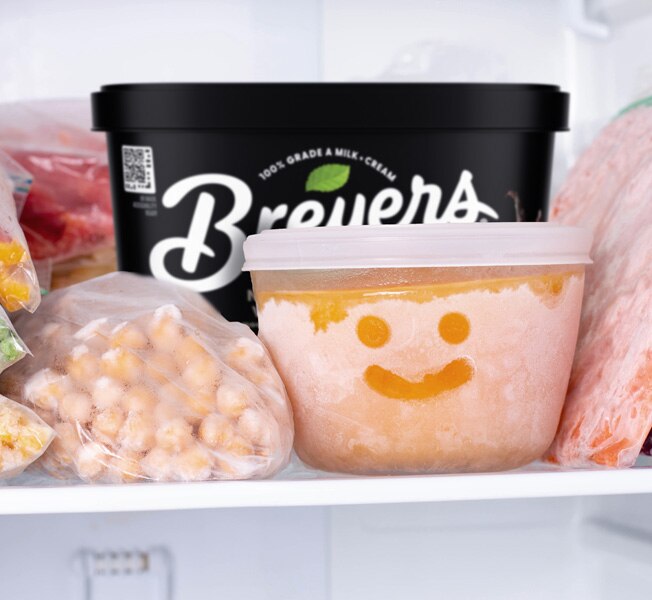
When thinking about how to store ice cream in the freezer, placement makes a real difference.
The best spot is toward the back of the freezer, where temperatures tend to stay the most stable. Warm air entering through the door has a lesser impact on this area.
It’s best to avoid storing ice cream in the freezer door. While it may seem convenient, this space experiences frequent temperature changes, which can affect texture over time. Keeping your ice cream away from frequently moved items can also help reduce unnecessary temperature shifts.
How to Prevent Freezer Burn in Ice Cream
Freezer burn is one of the easiest problems to avoid with a few simple habits.
Start by sealing the container tightly after each use. Limiting air exposure helps protect both texture and flavor. For an extra layer of protection, you can press a piece of plastic wrap or parchment paper directly onto the surface of the ice cream before closing the lid.
It also helps to keep the tub out of the freezer for as little time as possible. Scoop what you need, then return it right away. Small steps like these go a long way in helping keep ice cream smooth and consistent.
Extra Tips for Keeping Ice Cream Fresh
A few additional habits can help keep your ice cream in great condition:
- Store containers flat and upright
- Avoid repeated thawing and refreezing
- Keep the lid tightly sealed after each use
- Return ice cream to the freezer promptly after serving
These small adjustments can help preserve both texture and flavor over time.
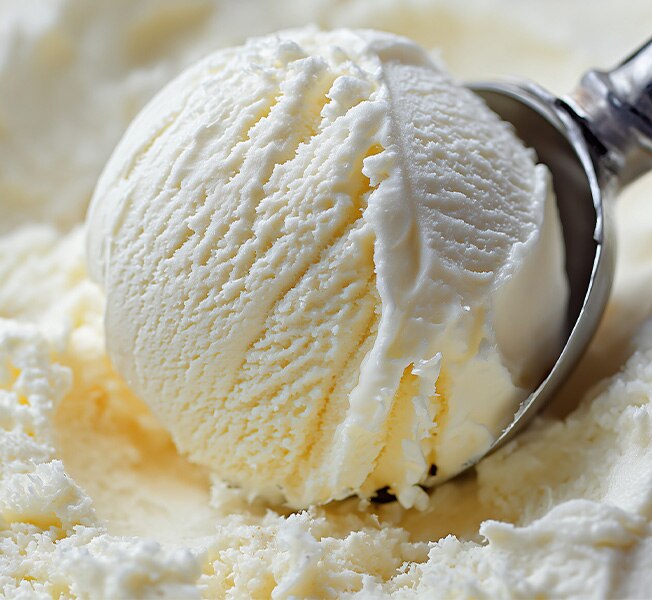
Can You Store Ice Cream in the Fridge?
If you’re wondering how to store ice cream in the fridge, the short answer is that it is not suitable for long-term storage.
The fridge is simply too warm to keep ice cream frozen. Storing it there for extended periods will cause it to melt, and once refrozen, the texture may become icy and uneven.
The fridge can be useful for a few minutes before serving if you want the ice cream to soften slightly, but for proper storage, the freezer is always the best place.
Discover Your Next Favorite Breyers Flavor
Now that you know how to store ice cream the right way, explore the full range of Breyers flavors and enjoy them at their best. From timeless classics to fan favorites, there’s a Breyers ice cream for every occasion.
FAQs
How should ice cream be stored in the freezer?
Ice cream should be stored in a tightly sealed container in the coldest part of the freezer, ideally at the back. Keeping it away from the door helps maintain a consistent temperature. Minimizing air exposure and returning it to the freezer quickly after serving helps preserve texture and flavor.
What temperature should ice cream be stored at?
Ice cream should be stored at 0°F (-18°C) or colder to maintain its texture and quality. A consistently low temperature prevents partial melting and refreezing, which can lead to ice crystals forming. Stable freezer conditions are important for keeping ice cream smooth and scoopable.
How long does ice cream last in the freezer?
Ice cream can maintain its best quality for about two to three months when unopened and properly stored. Once opened, it is typically best consumed within a few weeks for optimal texture and flavor. While it may remain safe to eat longer, quality can decline over time.
How can you prevent freezer burn in ice cream?
Freezer burn can be prevented by limiting air exposure and keeping the container tightly sealed. Placing plastic wrap or parchment paper directly on the surface helps reduce contact with air. Returning ice cream to the freezer promptly after serving also helps maintain its texture and flavor.
Where is the best place in the freezer to store ice cream?
The best place to store ice cream is at the back of the freezer, where temperatures are most stable. This area is less affected by warm air when the door is opened. Avoid storing ice cream in the door, as frequent temperature changes can affect its texture.
How long should ice cream sit out before serving?
Ice cream should sit out for about two to five minutes before serving to soften slightly. This allows for easier scooping and improves texture without fully melting. Brief softening also helps enhance flavor release, making the ice cream more enjoyable to eat.
Why does ice cream get hard in the freezer?
Ice cream becomes hard in the freezer when it is stored at very low or fluctuating temperatures that cause moisture to freeze more solidly. Temperature fluctuations can also lead to larger ice crystals forming, which makes the texture firmer and more difficult to scoop over time.
Quality Taste from Quality Ingredients
Don’t take our word for it—try it yourself. From classic flavors to specialty treats, we have something sweet for everyone.
- slide 1
- slide 2
- slide 3
- slide 4
- slide 5